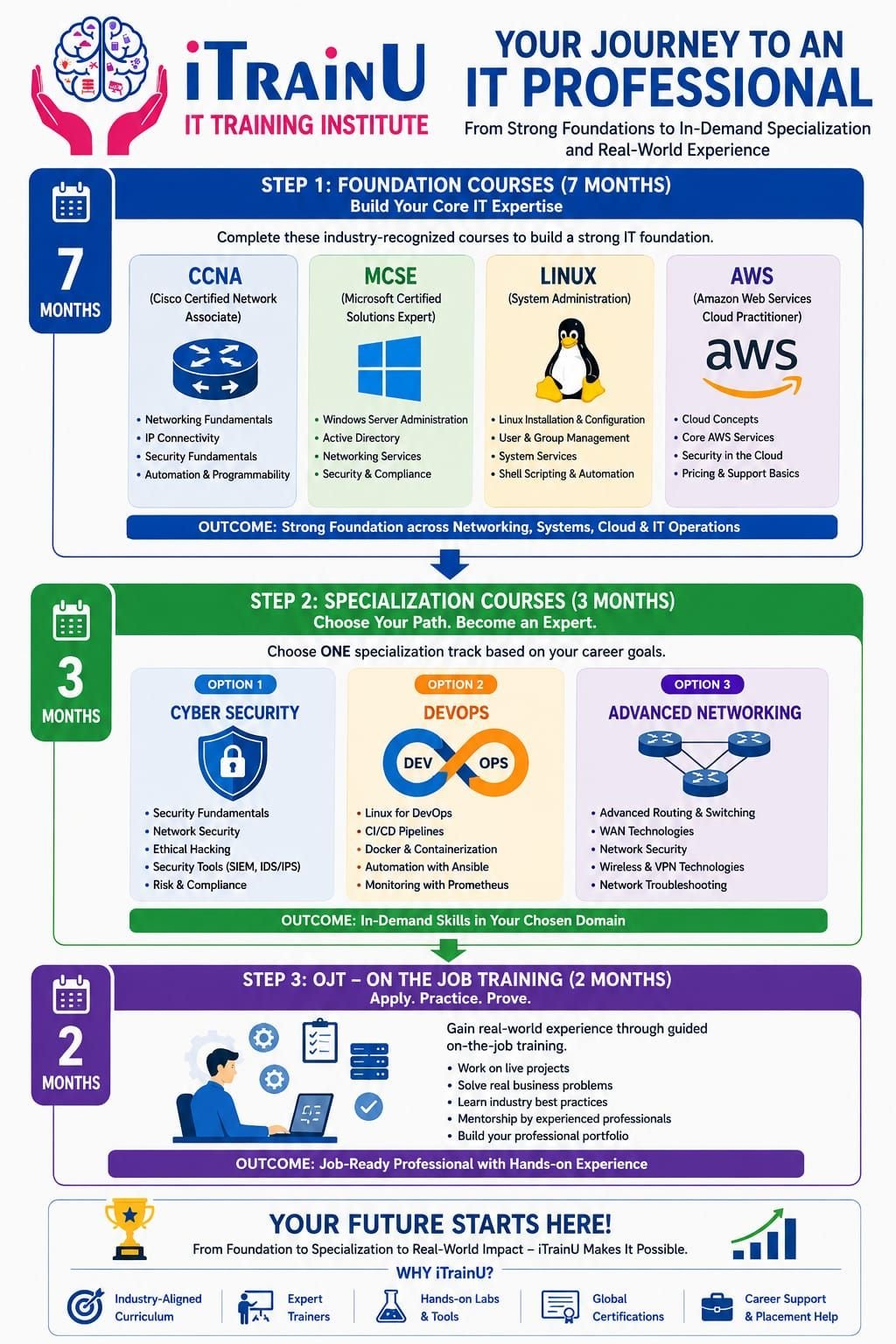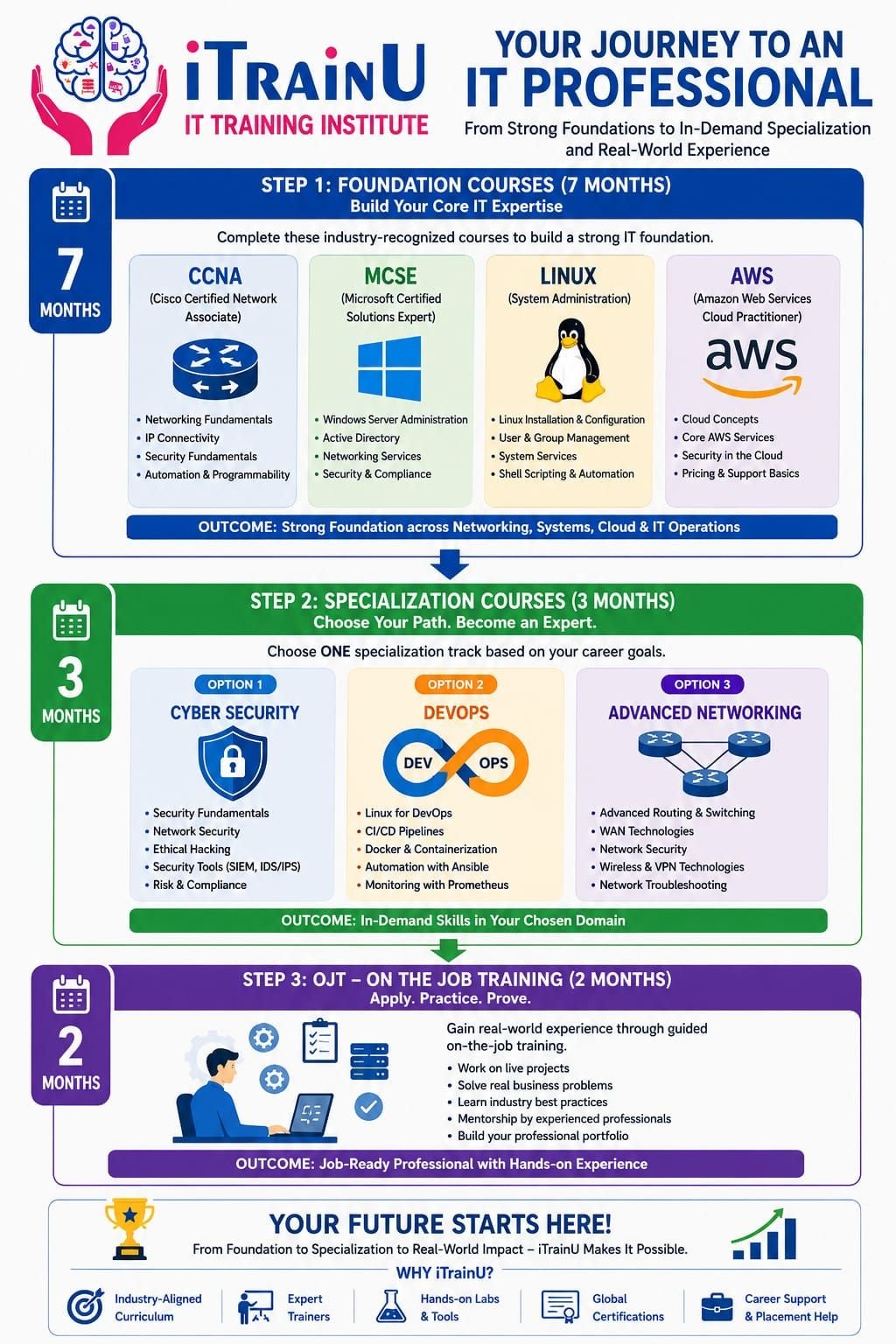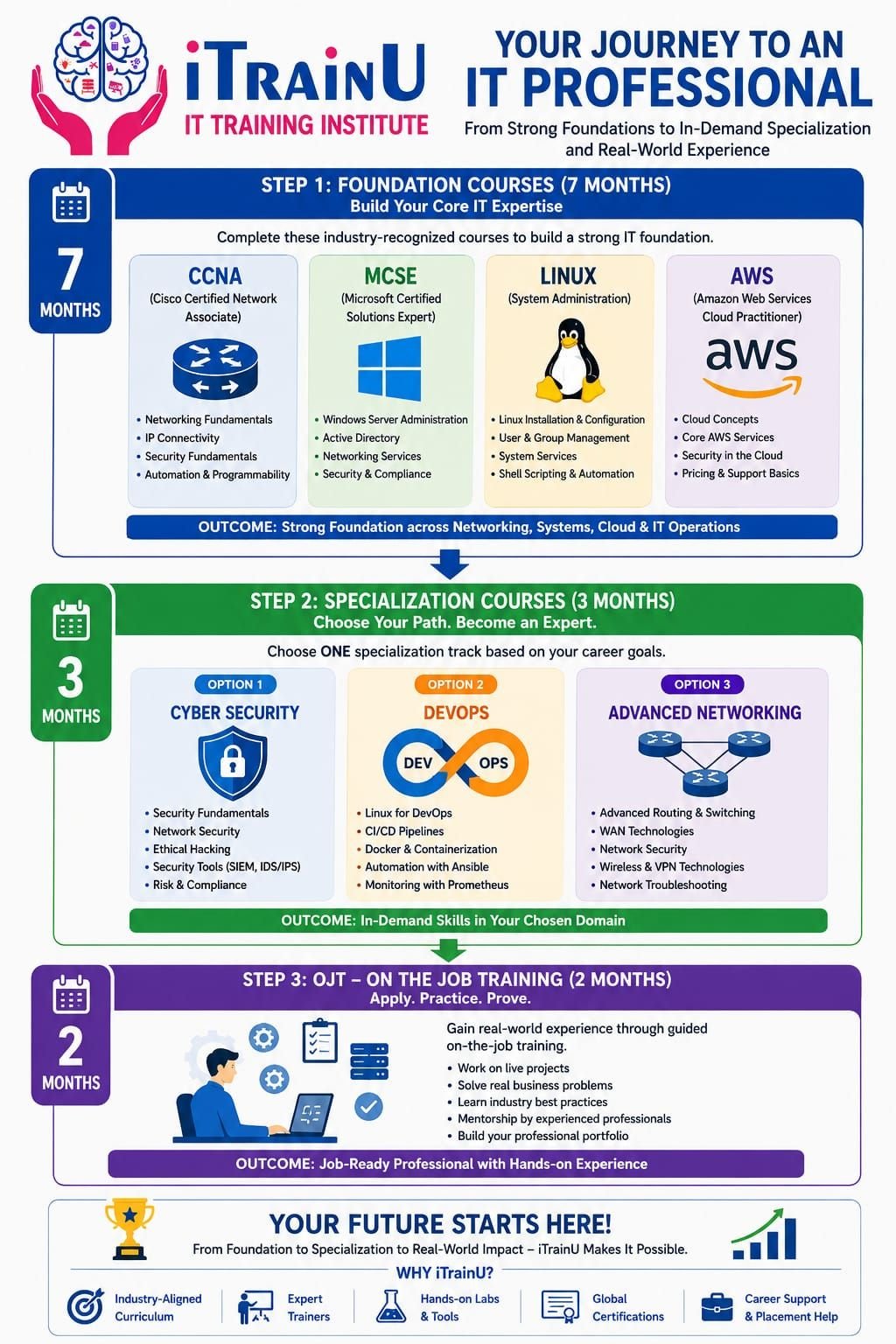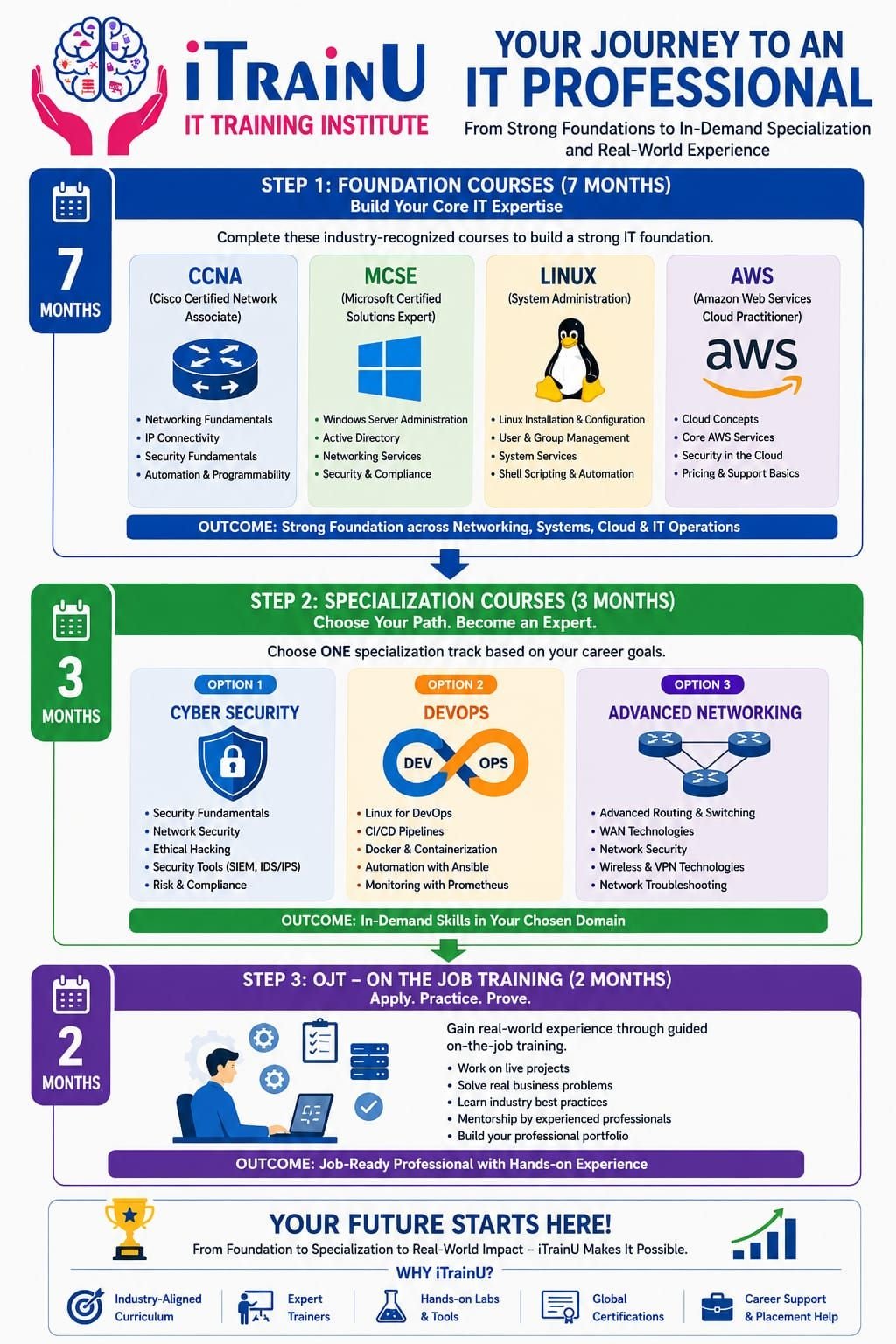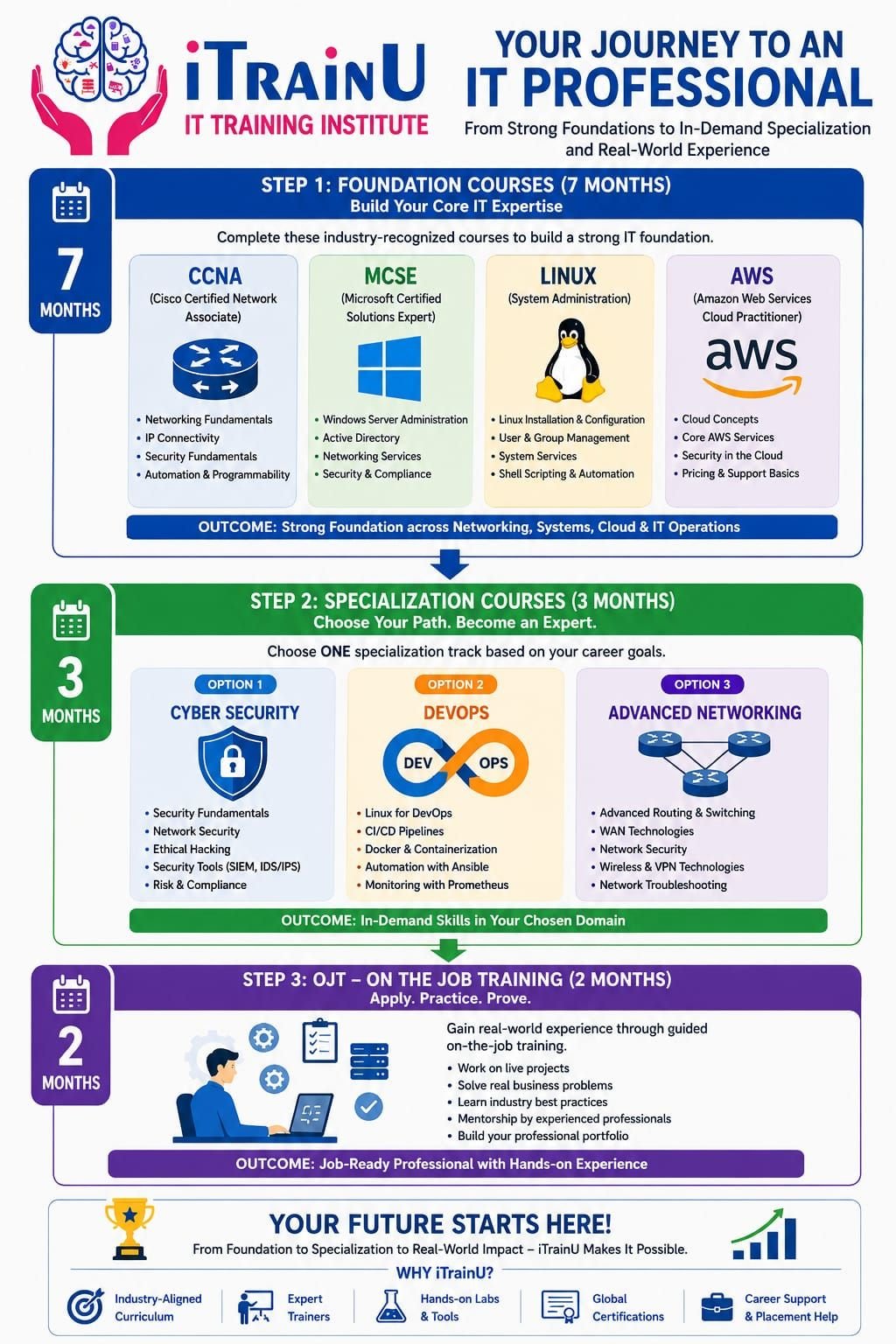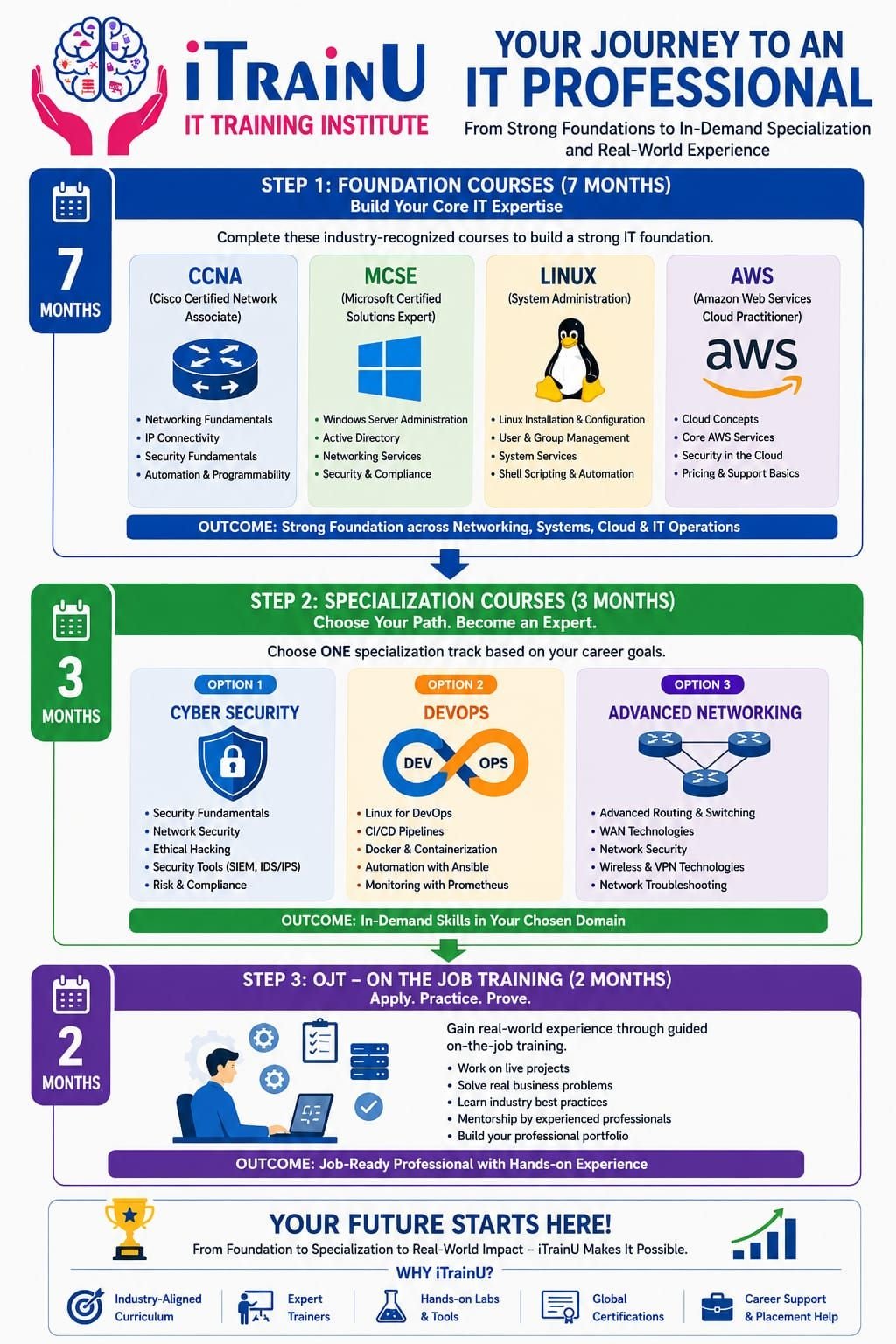
Starting a career in technology can feel like standing at the base of a massive mountain. You see the peak: a high-paying, stable career as a DevOps Engineer: but you aren't sure which path to take. If you're looking for how to become a devops engineer from scratch, you're in the right place.
DevOps is one of the most in-demand fields in the IT industry today. It isn't just about learning one tool; it's about a culture of collaboration and automation. In this guide, we'll break down the exact steps you need to take in 2026 to move from zero to job-ready.
What is DevOps?
DevOps is a combination of "Development" and "Operations." It's a set of practices that helps companies release software faster and more reliably. Instead of developers and IT operations teams working in silos, DevOps brings them together using automation, cloud technology, and constant communication.
Before DevOps, software updates could take months. After implementing DevOps practices, companies can deploy updates multiple times a day with minimal errors. This efficiency is why companies are desperate for skilled professionals.
Phase 1: Mastering the Fundamentals
Before you touch complex automation tools, you must build a solid foundation. Just like a full stack developer roadmap for beginners starts with HTML and CSS, a DevOps roadmap starts with the operating system.
1. Learn Linux Basics
Most servers in the world run on Linux. You don't need to be a kernel hacker, but you must be comfortable with the command line.
- What it is: Linux is an open-source operating system used by almost every cloud provider.
- What you need to know: File systems, permissions, shell scripting (Bash), and process management.
2. Networking and Security
You can't manage infrastructure if you don't know how computers talk to each other.
- Core Concepts: Understand DNS, HTTP/HTTPS, IP addresses, and Firewalls.
- Security Focus: Many professionals also look into a cyber security course in indore with placement to add a "DevSecOps" edge to their resume.

Phase 2: Programming and Version Control
You don't need to be a software developer, but you must be able to write code to automate tasks.
1. Python for Automation
Python is a versatile programming language that's widely used in DevOps for writing scripts that automate backups, monitor systems, and manage cloud resources.
2. Git and GitHub
Git is a version control system that tracks changes in your code.
- Collaboration: You'll use Git to work with other engineers.
- The Workflow: Learn how to "clone," "branch," "merge," and handle "pull requests."
Phase 3: Cloud Computing (AWS, Azure, or GCP)
In 2026, DevOps happens in the cloud. You should focus on one major provider first. AWS is currently the market leader, so many students use an aws solution architect study guide 2026 to prepare for certifications while they learn.
Cloud Management Framework:
- What you control: You manage the application code, the data, and the configuration of your virtual servers.
- What the provider manages: The physical hardware, power, cooling, and the underlying virtualization layer.
At iTrainU, we provide hands-on labs for AWS, Azure, and GCP so you can practice on real cloud environments, not just read about them in a book.
Phase 4: Infrastructure as Code (IaC) and Containers
This is where the "magic" of DevOps happens. Instead of clicking buttons in a web console to create a server, you write code to do it.
1. Infrastructure as Code (Terraform & Ansible)
- Terraform: Allows you to define your entire data center in a text file.
- Ansible: Helps you configure hundreds of servers at once with a single command.
2. Containers (Docker & Kubernetes)
Docker is a tool that packages an application and its dependencies together. This ensures the app runs the same on your laptop as it does on a server.
- Kubernetes: Once you have hundreds of containers, you need Kubernetes to manage them. It handles scaling, load balancing, and self-healing.
Real-World Example: The "Before and After" of a Deployment
| Feature | Traditional Way (Manual) | DevOps Way (Automated) |
|---|---|---|
| Server Setup | Manual installation (hours/days) | Terraform script (minutes) |
| App Updates | Scheduled downtime, high risk | Zero-downtime rolling updates |
| Scaling | Buying and racking new hardware | Automatic cloud scaling based on traffic |
| Errors | Found by angry customers | Found by automated tests in CI/CD |
Step-by-Step: Your First Dockerfile
To give you a taste of DevOps, here is a simple Dockerfile. This file tells Docker how to build an image for a basic Python application.
# Use an official Python image as a base
FROM python:3.9-slim

# Set the working directory inside the container
WORKDIR /app

# Copy the current directory files into the container
COPY . .

# Install dependencies
RUN pip install -r requirements.txt

# Start the application
CMD ["python", "app.py"]
Why Choose iTrainU for Your DevOps Journey?
Learning how to become a devops engineer from scratch is difficult to do alone. At iTrainU, we've designed a curriculum that bridges the gap between theory and industry reality.
- Certified Trainers: Learn from experts who actually work in the industry.
- Live Projects: You won't just watch videos; you'll build real CI/CD pipelines.
- Placement Support: Our placement program helps you land interviews with top tech firms.
- Internship Opportunities: Gain real-world experience through our internship programs.

Pro Tips for Success
- Don't skip the basics: You can't be good at Kubernetes if you don't understand how Linux networking works.
- Build a Portfolio: Document your projects on GitHub. Employers want to see your code, not just your certificate.
- Stay Curious: The DevOps landscape changes every year. Make learning a daily habit.
- Focus on Soft Skills: DevOps is 50% technical and 50% communication. Learn how to explain technical problems to non-technical people.
Interview Questions to Prepare For
- What is the difference between Continuous Integration (CI) and Continuous Deployment (CD)?
- Can you explain the "Infrastructure as Code" concept and why it's beneficial?
- What happens when you type a URL into a browser and press enter? (Testing your networking knowledge).
- How do you handle secrets (like passwords) in a Git repository? (Hint: Use tools like Vault, never commit them in plain text!)
Summary
Becoming a DevOps engineer from scratch is a journey of continuous learning. Start with Linux and Networking, move into Cloud and Coding, and master Automation and Orchestration. With the right mindset and a structured path, you can transition into this high-growth career in less than a year.
If you're ready to start, check out our DevOps Internship Program and let our expert trainers guide you to success.
Meta Title: How to Become a DevOps Engineer from Scratch: 2026 Roadmap
Meta Description: Learn how to become a DevOps Engineer from scratch with our 2026 step-by-step guide. Master Linux, Cloud (AWS), Docker, and CI/CD with iTrainU's hands-on training.
#DevOps #CloudComputing #ITCareers #AWS #iTrainU #TechRoadmap